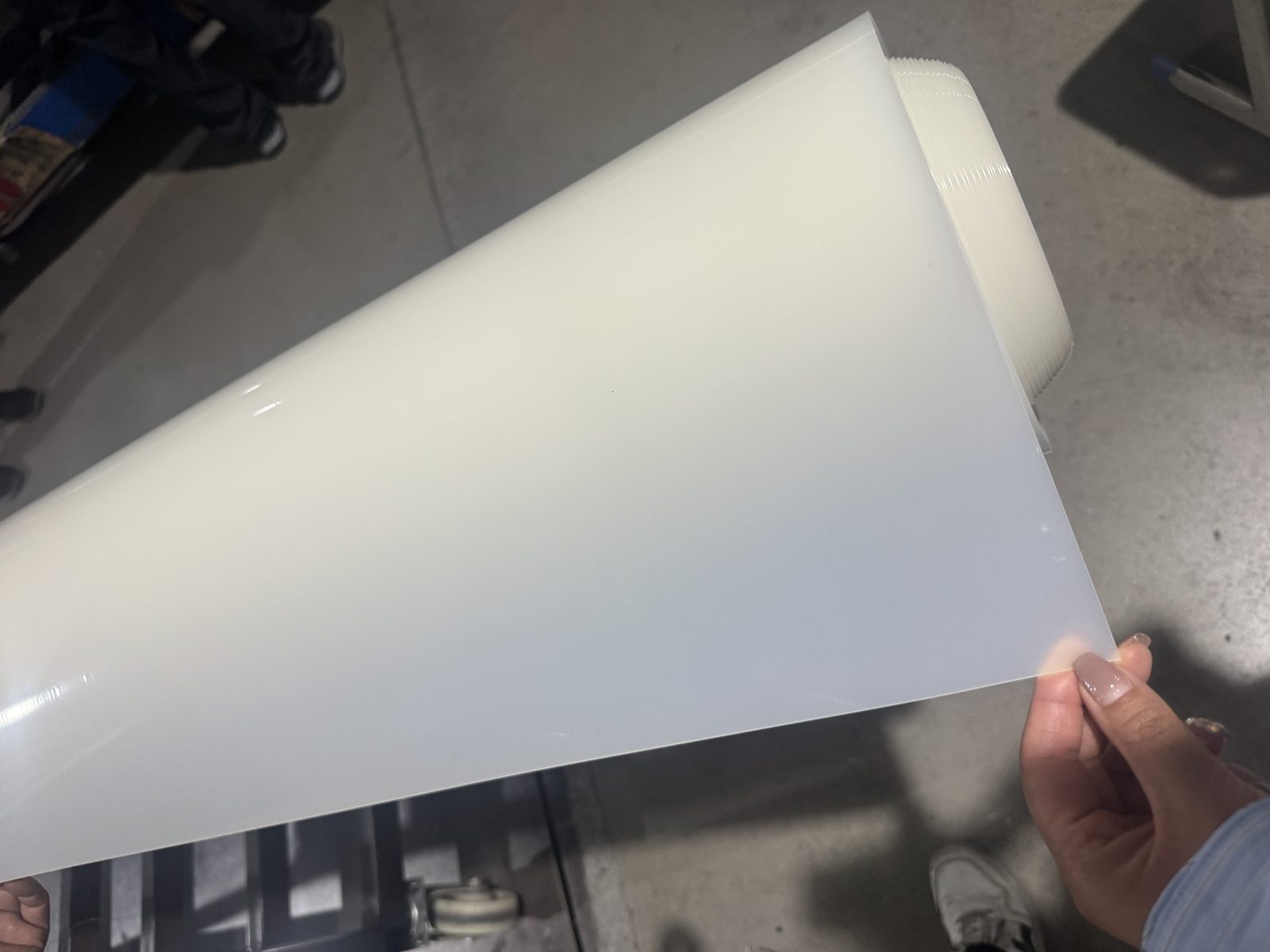
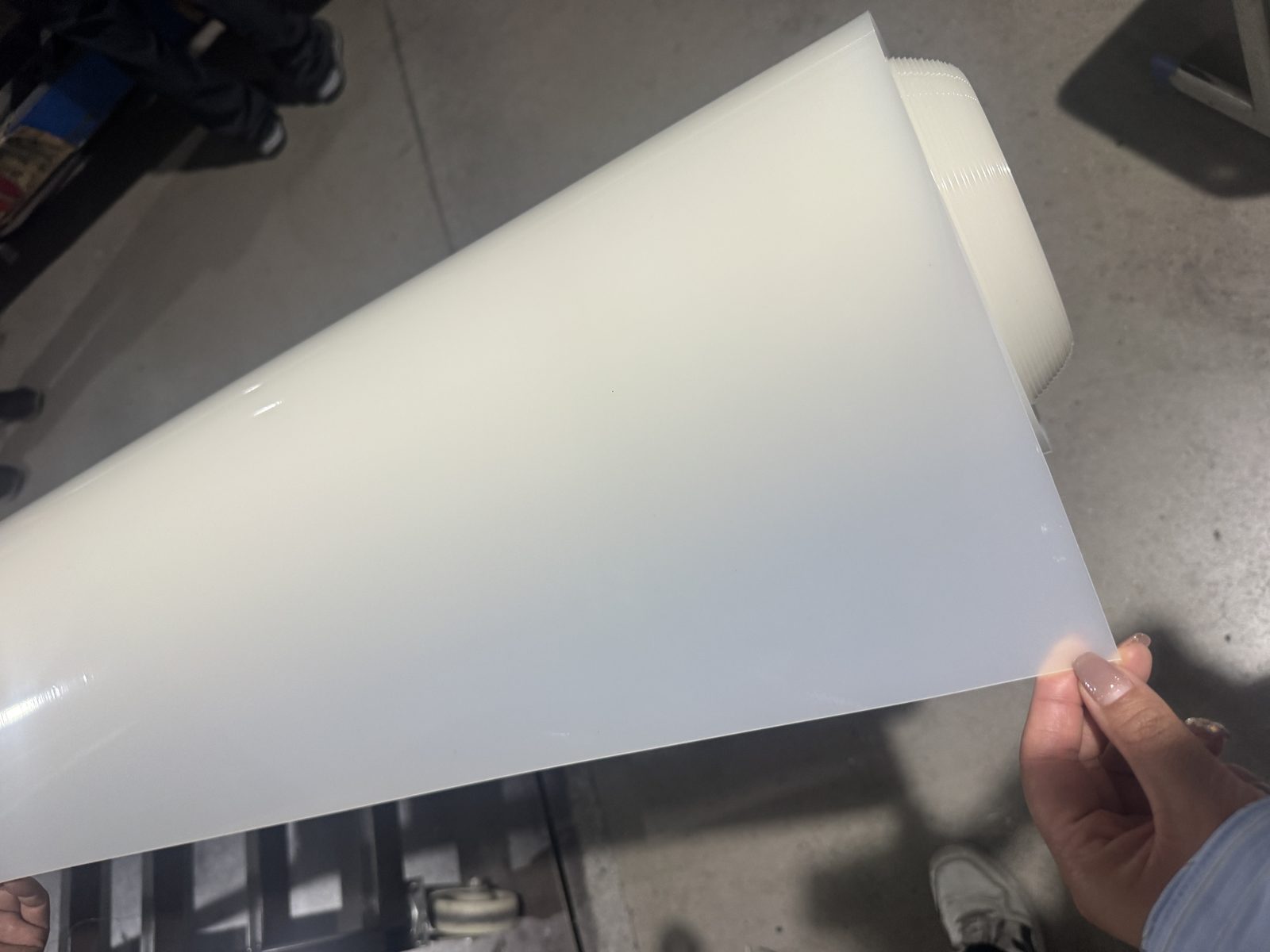
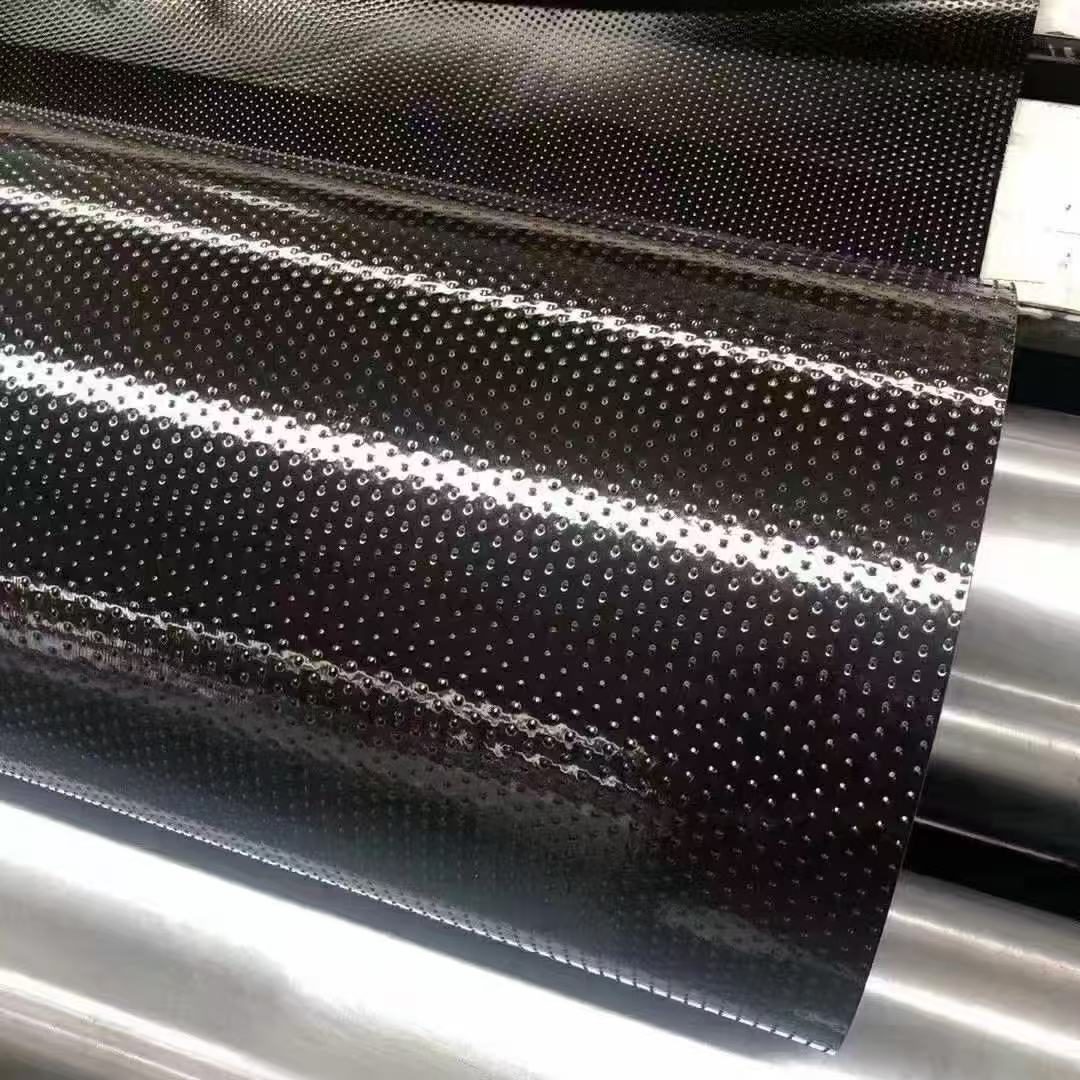
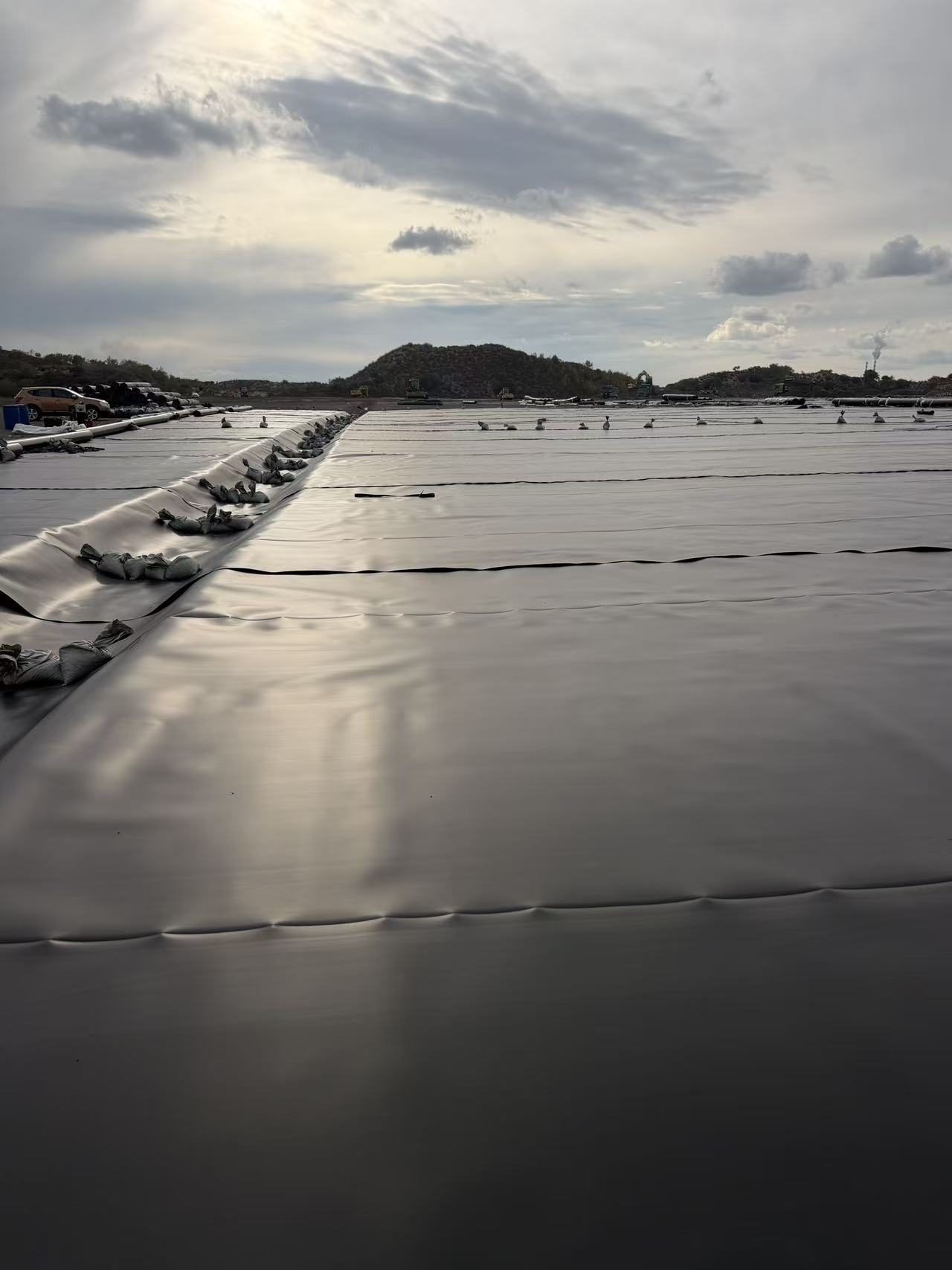
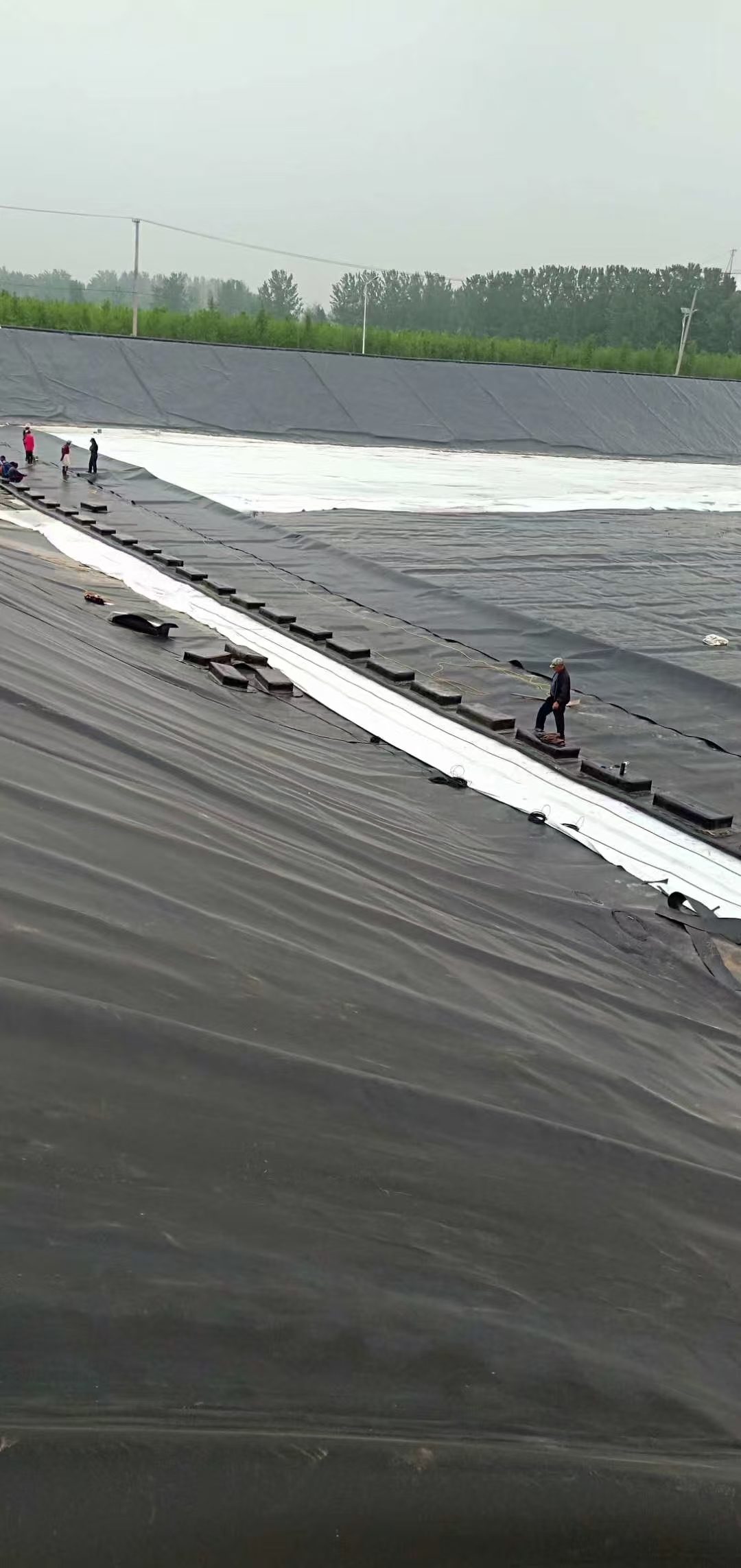
1. GCL Bentonite Waterproof Blanket Product Introduction
1.1 Overview
A geosynthetic clay liner holds a layer of sodium bentonite between geotextiles. When water reaches the bentonite it swells and forms a low-permeability barrier, and because the bentonite can migrate slightly it closes around small punctures.
GCL is normally used beneath an HDPE geomembrane as a composite barrier, or on its own in low-head applications.
1.2 Standard specification
Current roll specification is confirmed per order — ask for the technical data sheet.
1.3 Where it is used
This product is supplied for landfill base lining and capping, reservoirs, canals and dams, fish and shrimp ponds. Each application has its own loading, chemistry and slope conditions, so the grade and the layers around it are confirmed per project.
- Landfill & Waste Containment — Base lining, capping and leachate protection
- Water Conservancy & Reservoirs — Reservoirs, canals and dams
- Aquaculture & Fish Ponds — Pond liners for fish and shrimp farms
2. How the grade is selected
2.1 What drives the specification
The main advantage is that the GCL provides a second barrier that behaves differently from the membrane: it is self-sealing, it conforms to the subgrade, and it does not need welding.
That makes it useful where the subgrade is irregular, where there is a risk of small punctures during installation, or where the design calls for two independent low-permeability layers.
2.2 What to send with an inquiry
- Application and the loading or head of water the material has to carry
- Product type and the thickness or grade, if it is already specified
- Quantity in m² or tonnes, and the destination port
- Any drawings or specification sheets that define the build-up
3. Handling and installation
Panels are laid with a defined overlap, in a direction that follows the slope so water does not run into the seam. Bentonite paste or granular bentonite is placed in the overlap before the next panel is laid.
Until it hydrates, the GCL must be protected from rain that would cause uneven swelling and from wind that can lift the panels.
Installation should follow the project specification and the product data sheet. The contractor remains responsible for trial work, seam testing and site quality control.
4. Quality, testing and documentation
Products are produced and tested to current Chinese national standards (GB/T). A mill test report is supplied with each batch, and technical data sheets are available on request.
The factory quality management system is certified to ISO 9001:2015, held by Shandong Lingxiang New Material Co., Ltd. and valid to 14 September 2027. Please ask us to confirm the legal entity for your contract documents.
5. FAQ
What overlap is used for GCL?
Commonly 150–300 mm depending on the product and the slope. The product data sheet gives the figure for the roll you order.
Can GCL be used without a geomembrane?
Yes, in low-head applications such as landscape ponds and canals, where the design confirms the barrier is adequate.
How is the seam sealed?
Bentonite paste or granular bentonite is placed in the overlap so that the seam has enough material to swell and seal.
Does GCL need to be hydrated after installation?
It hydrates from the subgrade, from the cover soil or from water introduced deliberately. It must not be left exposed to rain before the surrounding works are ready.
What roll sizes are available?
Roll sizes depend on the product and the order — request the technical data sheet for the exact dimensions.
Is GCL suitable under a landfill base liner?
It is commonly used as the composite barrier beneath the geomembrane in base lining and capping.
6. Conclusion
GCL Bentonite Waterproof Blanket is specified from the application inwards: the thickness or grade, the roll size, the surface finish and the protection layer all follow from the project conditions. Send those conditions with your inquiry and we will confirm the build-up and quote against it.