1. Textured HDPE Geomembrane Product Introduction
1.1 Overview
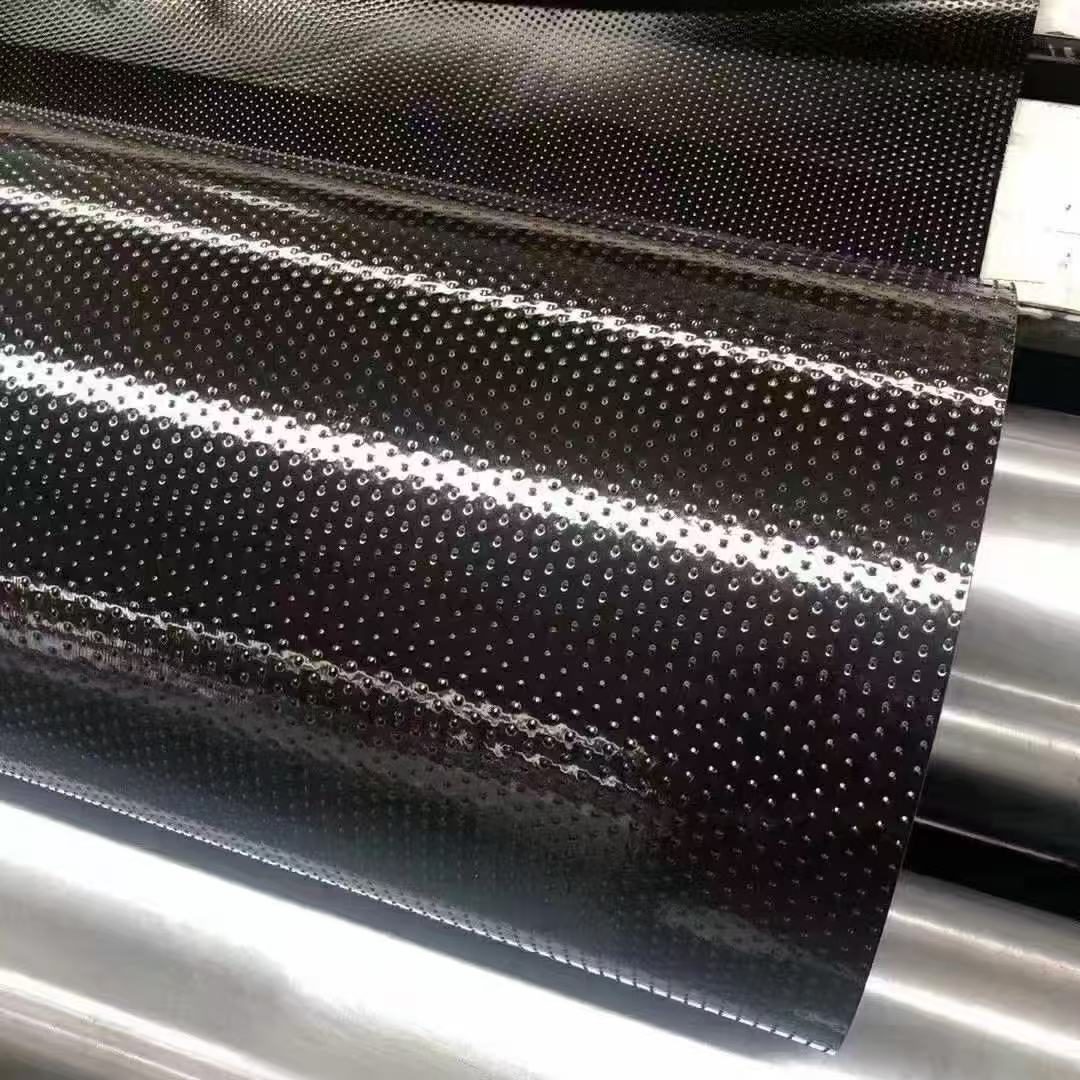
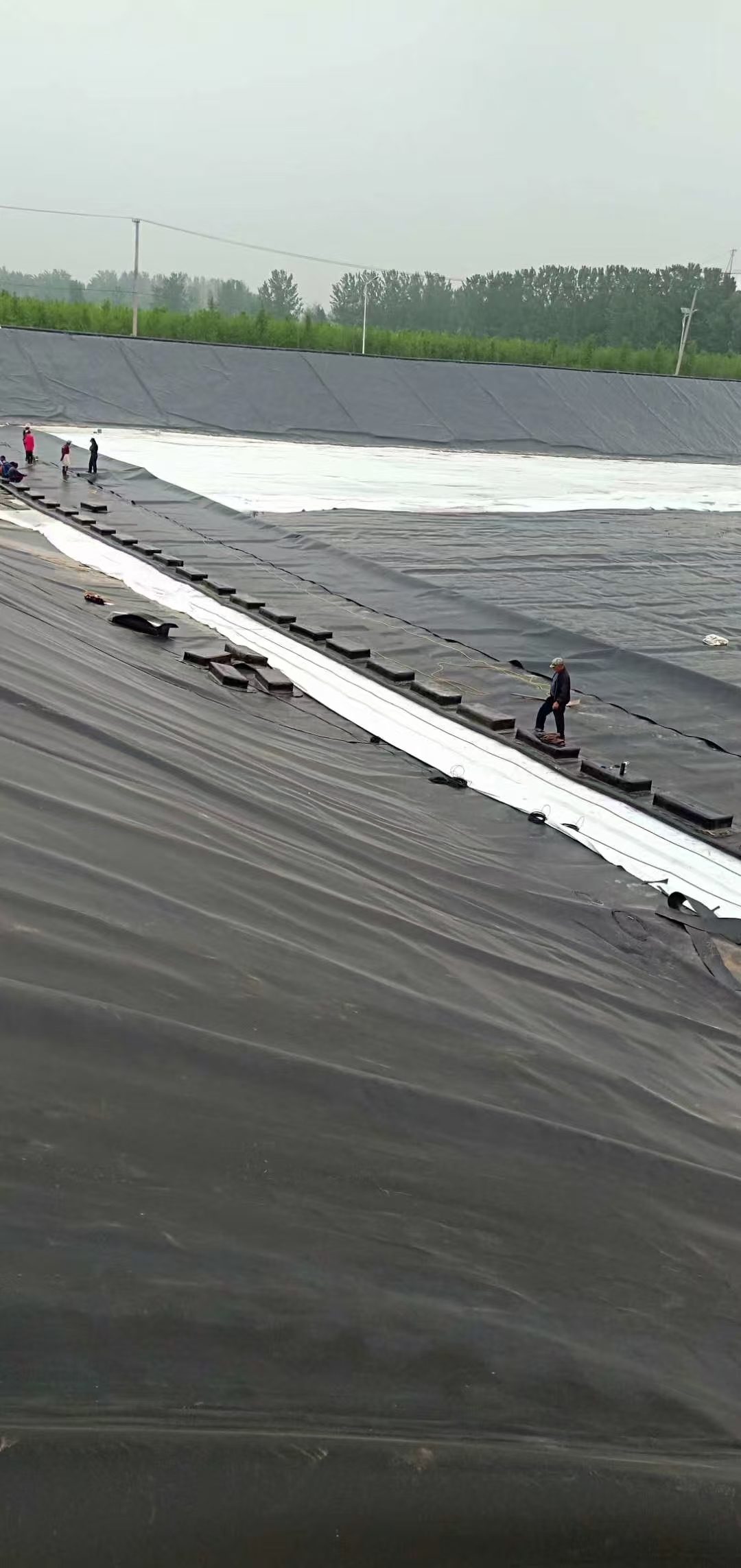
Textured HDPE geomembrane has a roughened surface that raises the friction angle at the interface with soil, geotextile or concrete. It is used where a smooth liner would slide on a slope during installation or under the cover layer.
The base resin and the thickness range are the same as our smooth liner; the difference is the surface finish on one or both faces.
1.2 Standard specification
1.3 Where it is used
This product is supplied for landfill base lining and capping, reservoirs, canals and dams, mining and tailings containment. Each application has its own loading, chemistry and slope conditions, so the grade and the layers around it are confirmed per project.
- Landfill & Waste Containment — Base lining, capping and leachate protection
- Water Conservancy & Reservoirs — Reservoirs, canals and dams
- Mining & Tailings — Heap leach pads, tailings dams and ponds
2. How the grade is selected
2.1 What drives the specification
On a steep side slope the liner is held by friction and by the anchor trench at the crest. If the interface friction is too low, the panel creeps down the slope, the seams are loaded and the cover layer becomes unstable.
Texturing is also used on vertical or near-vertical cut-off walls and on reservoir batters where the lining has to stay in place before the protection layer is installed.
2.2 What to send with an inquiry
- Application and the loading or head of water the material has to carry
- Product type and the thickness or grade, if it is already specified
- Quantity in m² or tonnes, and the destination port
- Any drawings or specification sheets that define the build-up
3. Handling and installation
Textured liner is heavier and stiffer than smooth liner of the same gauge, and the rough surface makes it harder to slide panels into position. Panel layouts should be planned so that each panel can be placed without dragging it across the subgrade.
Because the texture traps soil and water, the surface should be cleaned before welding so that the weld is made on clean material.
Installation should follow the project specification and the product data sheet. The contractor remains responsible for trial work, seam testing and site quality control.
4. Quality, testing and documentation
Products are produced and tested to current Chinese national standards (GB/T). A mill test report is supplied with each batch, and technical data sheets are available on request.
The factory quality management system is certified to ISO 9001:2015, held by Shandong Lingxiang New Material Co., Ltd. and valid to 14 September 2027. Please ask us to confirm the legal entity for your contract documents.
5. FAQ
Which is better on a 1:1.5 slope, smooth or textured?
Textured is the usual choice above about 1:2. The final decision depends on the interface and should be checked against the design friction requirement.
Is the liner textured on one side or both?
Our standard product is textured on both faces. Single-side texturing can be discussed for specific projects.
Does texturing change the thickness?
The nominal thickness range is the same: 0.5, 0.75, 1.0, 1.5 and 2.0 mm.
Can textured liner be welded the same way?
Yes, with the same wedge or extrusion equipment. The surface has to be clean and dry at the seam.
Is textured liner suitable for landfill capping?
It is commonly used on side slopes and on capping where the cover soil could otherwise slip.
Does the texture affect the roll length?
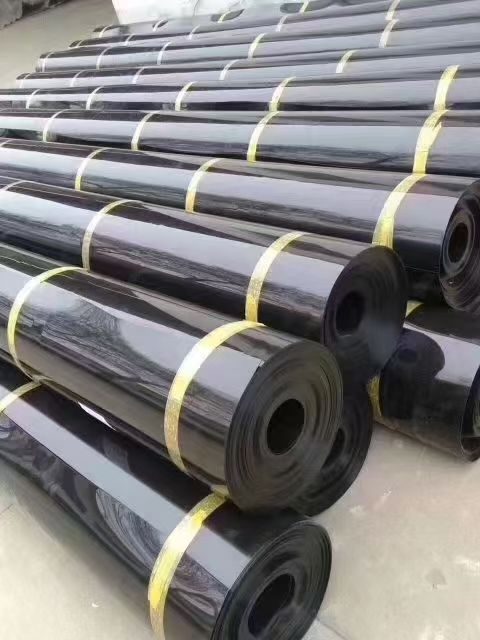
Rolls are supplied at 50 m as standard, with custom lengths on request.
6. Conclusion
Textured HDPE Geomembrane is specified from the application inwards: the thickness or grade, the roll size, the surface finish and the protection layer all follow from the project conditions. Send those conditions with your inquiry and we will confirm the build-up and quote against it.